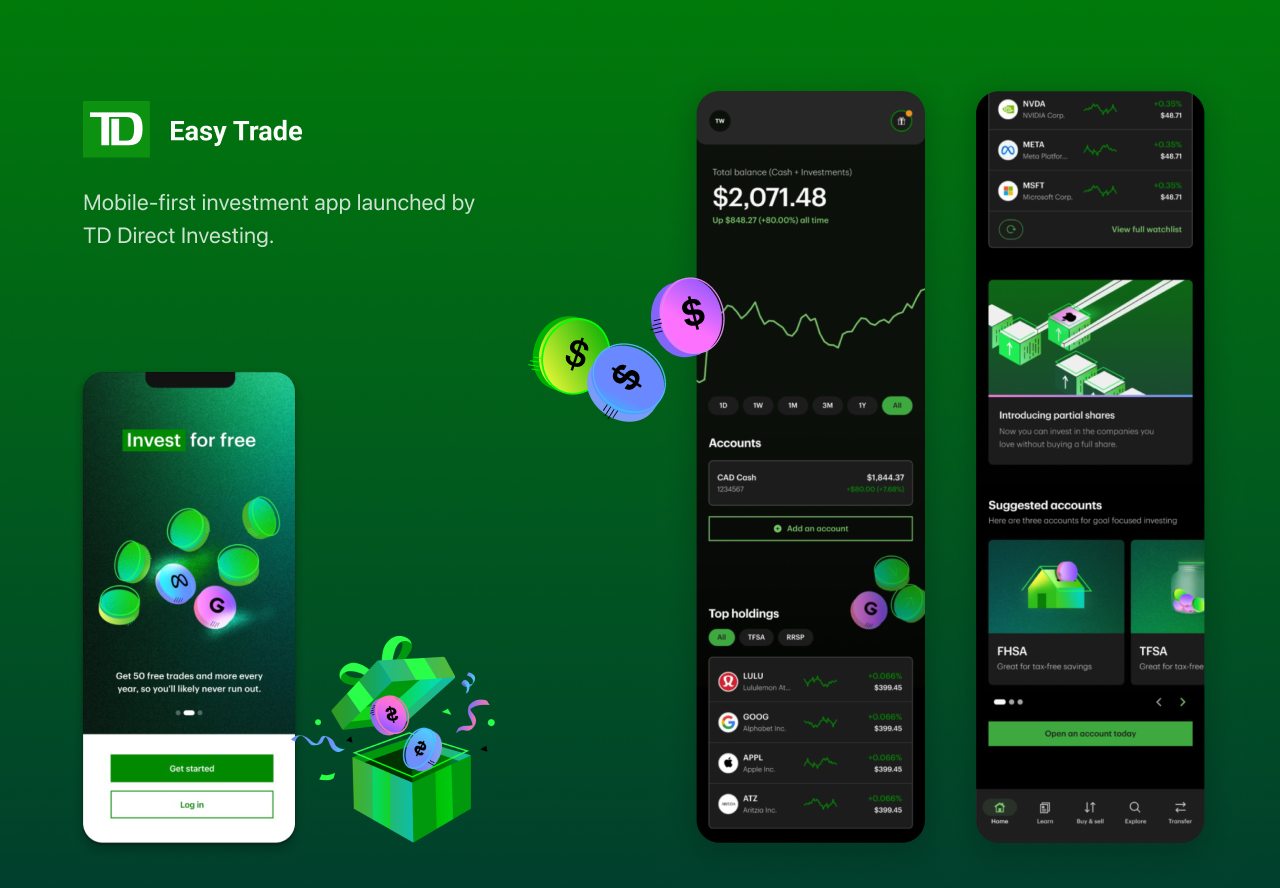
TD Bank Group is one of Canada's "Big Five" banks, serving over 27 million customers and holding over $2.0 trillion in assets. TD Easy Trade is its simplified investment platform, built specifically to onboard novice investors (MZ generation) with commission-free trading. The platform currently serves an estimated 150,000+ active users and is a key component of TD's strategy to capture the emerging investor market.
The core challenge was to redesign and migrate the existing TD Easy Trade web application into a Native Mobile MVP within a highly compressed 3-month timeline. This strategic, multi-million dollar initiative, executed through Accenture Song, aimed to deliver an intuitive, low-friction mobile trading experience for emerging investors, directly impacting customer acquisition and retention targets within the Direct Investing arm.
MY ROLE
I was a Sr. Product Designer, embedded with the TD Client Engineering team to lead design execution for the TD Easy Trade mobile MVP. I collaborated with four other Senior Designers and the Scrum Master, driving both the High-Level Design (HLD) and Visual Design (VD) phases across twelve weekly sprints. My role centered on User Advocacy, translating novice investor (MZ generation) research and testing insights into mobile-first design decisions. I acted as a critical bridge to the TD design ecosystem, maintaining constant syncs with the dedicated TD Easy Trade Design System Team to leverage the MOD library and build new components. I owned the end-to-end translation of legacy web screens into Native Mobile UX states for the MVP. Finally, I ensured implementation success by supporting BAs and developers in creating detailed Story tickets and collaborated on custom brand illustrations.
DURATION
3 months
BUSINESS CONTEXT
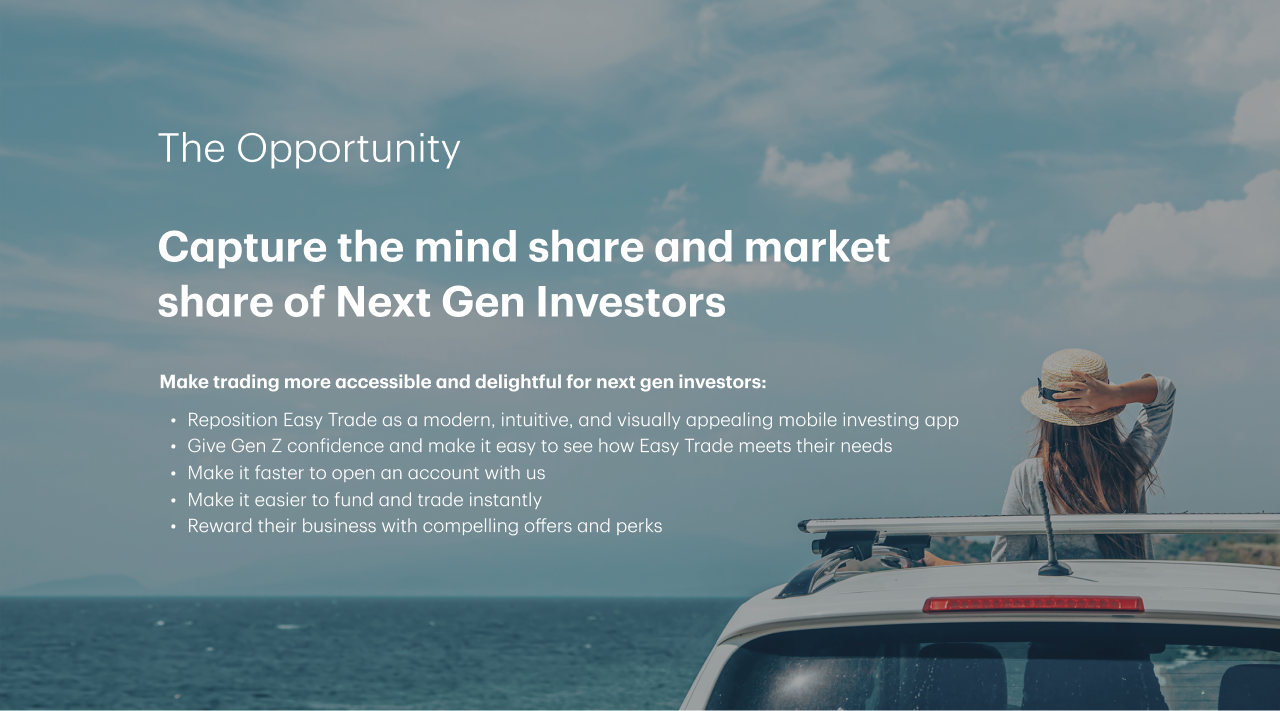
TD Direct Investing (TDDI) traditionally served complex, high-volume traders. However, the rise of commission-free neo-brokers captured the critical emerging investor segment (Millennials/Gen Z), threatening TD's future market share. TDDI launched TD Easy Easy Trade, a mobile-first, low-cost platform with free trades, to onboard novice users. The business goal is to protect market share and secure the next generation of clients. We will achieve this by quickly delivering a simplified, cost-effective MVP application, which provides an entry point into the TD ecosystem, aligned with the new Public Site launch timeline.
PROBLEM FRAMING
The core challenge for TD Easy Trade was not pricing, but UX-centric intimidation. The platform's complexity and traditional jargon overwhelmed novice investors, leading directly to high drop-off rates during the first-trade process and low ongoing engagement. Addressing this required a focused UX solution a fundamental redesign of critical flows (funding, search, trade execution). This redesign prioritized trust, clarity, and educational support. This strategy aims to create user confidence and fundamentally improve both conversion and long-term retention for beginner investors.
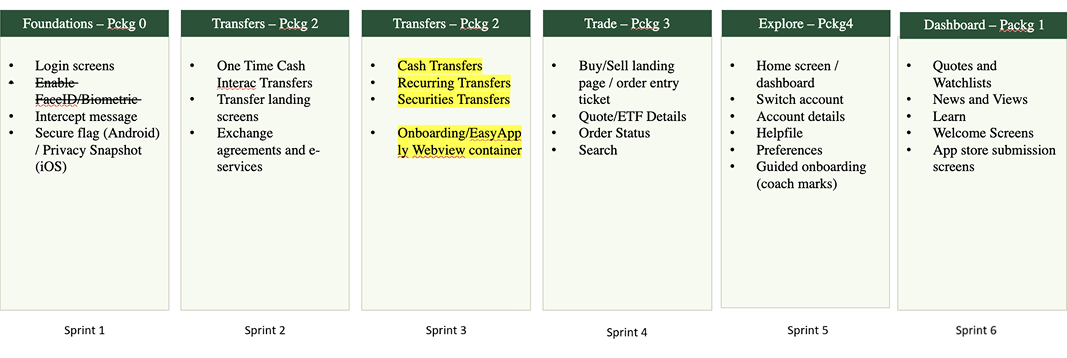
SPRINT PLANNING
To address key user challenges, my team initiated two interconnected projects: Project A and Project B. While this case study focuses on Project B, I also contributed to Project A, which involved designing entry points that seamlessly guide QuestMobile users toward EdgeMobile, a trading platform built for more advanced investors.
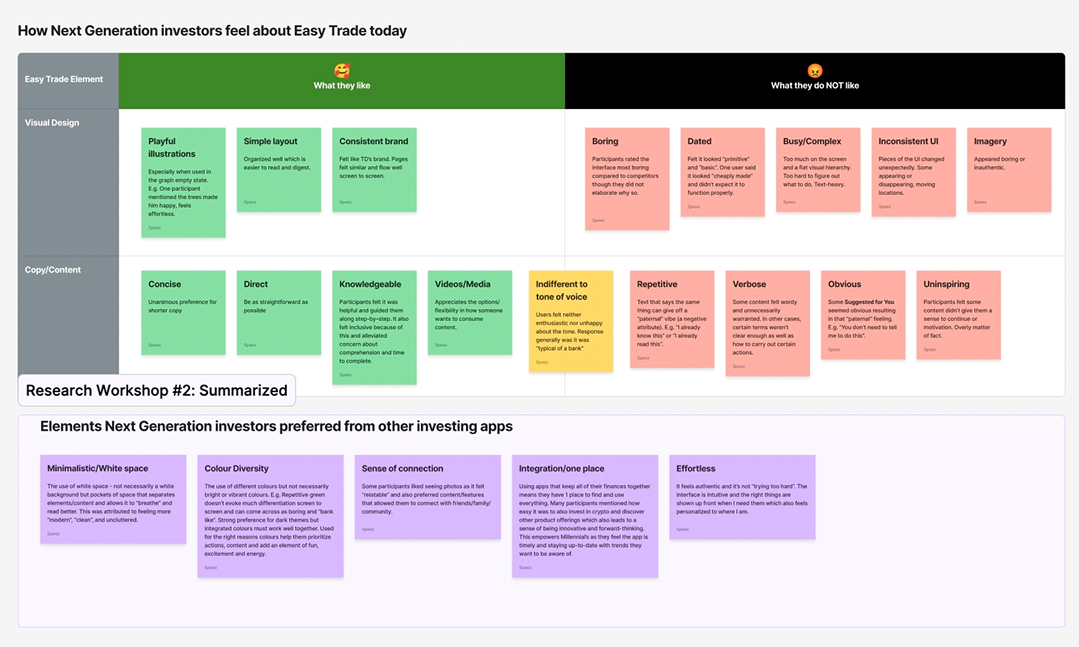
USER RESEARCH
To address key user challenges, my team initiated two interconnected projects: Project A and Project B. While this case study focuses on Project B, I also contributed to Project A, which involved designing entry points that seamlessly guide QuestMobile users toward EdgeMobile, a trading platform built for more advanced investors.
PERSONA ALIGNMENT
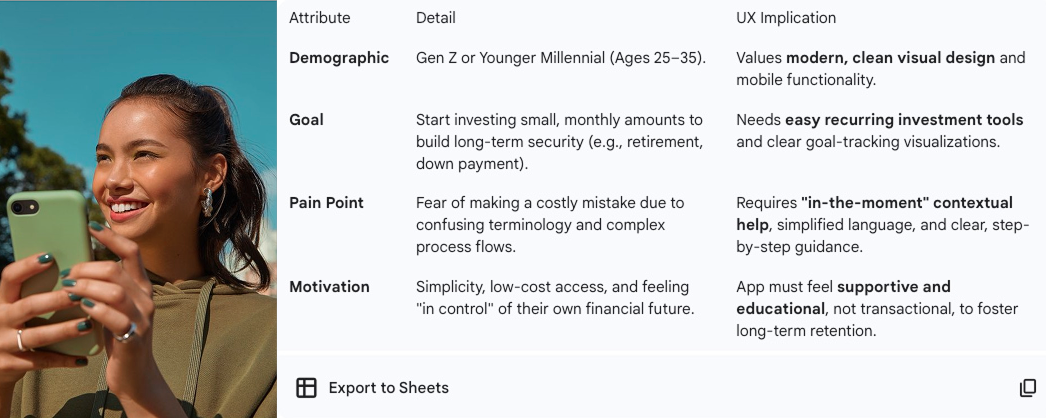
To keep the design process human-centered, we aligned all decisions with a single primary persona, "The Aspiring Starter." This persona embodies the core challenge of balancing high ambition with low confidence and experience.
UX STRATEGY
Our UX strategy was designed to directly address the core problem: reducing user intimidation to boost conversion. We implemented a lean, dual-track methodology spanning 12 total sprints (6 HLD for foundational thinking and 6 VD for execution). This strategy prioritized rapid validation and continuous stakeholder alignment to ensure the MVP was simple, compliant, and delivered on time.
Strategic Pillars
Reduce Cognitive Load: Focus the Information Architecture (IA) and flows on simplicity, directly countering the "Financial Literacy Gap" and the high cognitive friction of traditional platforms.
Ensure Compliance & Scalability: Leverage TD's internal systems (MOD Design System) and maintain continuous synchronization with the dedicated TD Easy Trade Design System team to ensure brand consistency and future scalability.
Cross-Functional Ownership: Embed design within Scrum Pods with weekly rituals, ensuring that Business Analysts (BAs), Content Strategists, and Developers owned the product experience equally alongside UX.
Phase 1 (HLD: Discovery & Definition)
The initial six sprints focused on deeply understanding the user's journey and defining the fundamental architecture needed to transform the app into an effective 'coach' for the Aspiring Starter. Deliverables included refined journey maps, simplified IA, and validated low-fidelity wireframes for the MVP scope.
Phase 2 (VD: Execution & Delivery)
The final six sprints prioritized visual execution, comprehensive documentation, and strict quality assurance through rigorous development hand-off, preparing the product for a successful market launch.
DESIGN PROCESS
High-Level Design (HLD) Phase (6 Sprints):
The initial sprints were dedicated to foundational research synthesis and architectural design, ensuring we built the right solution before focusing on visual fidelity.
1. Journey Mapping & IA Restructuring
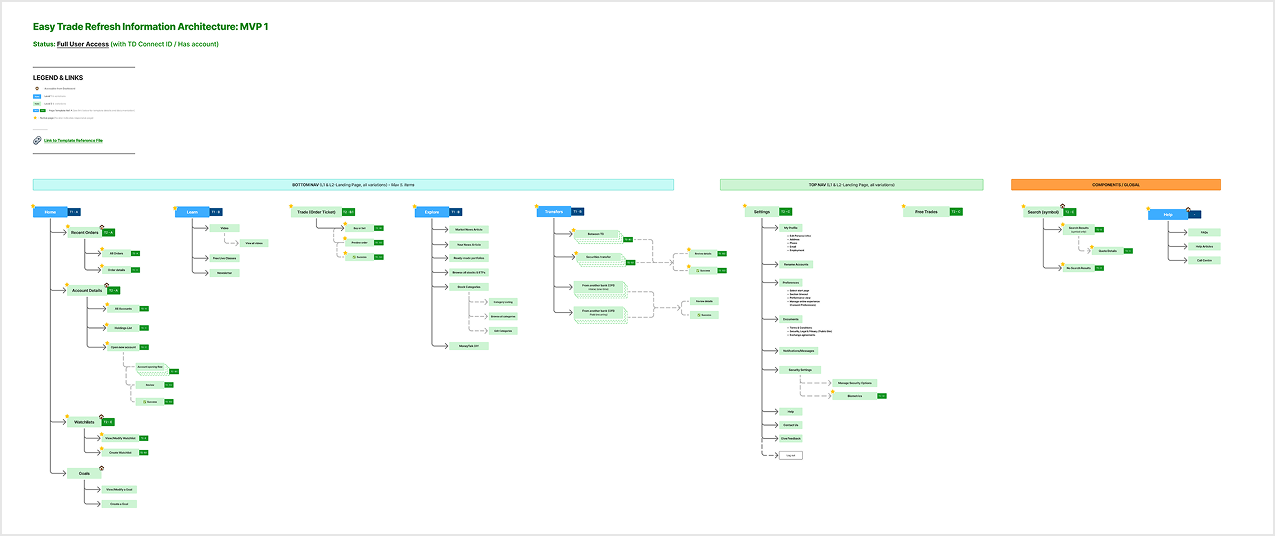
We mapped the entire user flow from account funding through first trade. This led to a complete IA restructuring, simplifying navigation and prioritizing access to core tasks over complex features, which directly informed the MVP scoping.
2. Wireframing & Validation
Low-fidelity wireframing of core screens was completed to test the new IA logic. These were quickly validated through quick user testing sessions, allowing for immediate iterative refinement of flow and content placement.
3. Stakeholder & Cross-Functional Alignment
Weekly presentation to stakeholders ensured executive alignment. We established tight collaboration with Content Strategists (simplifying financial jargon), Business Analysts (BAs) (capturing requirements), and Developers (validating technical feasibility).
4. Process Governance
We implemented weekly sprint rituals and maintained dedicated pod collaboration facilitated by the Scrum Master, ensuring the design process was agile, transparent, and met strict timeline expectations.
DESIGN SYSTEM CONTRIBUTION
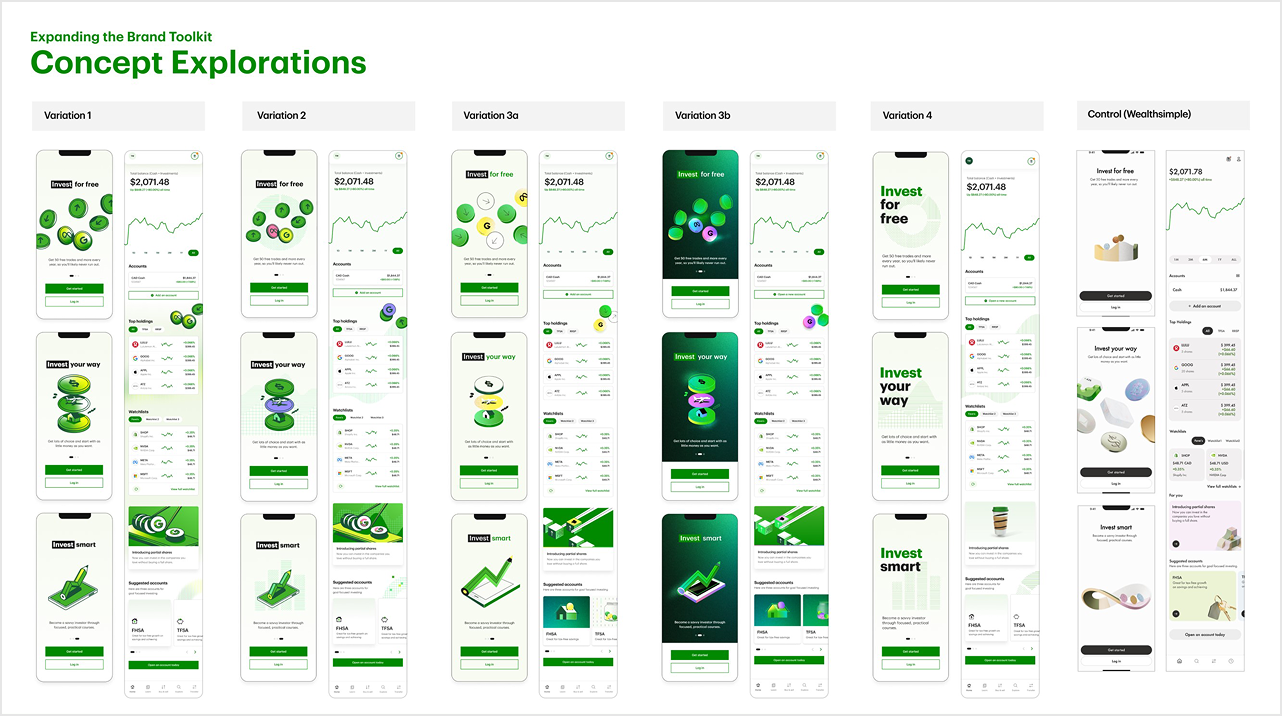
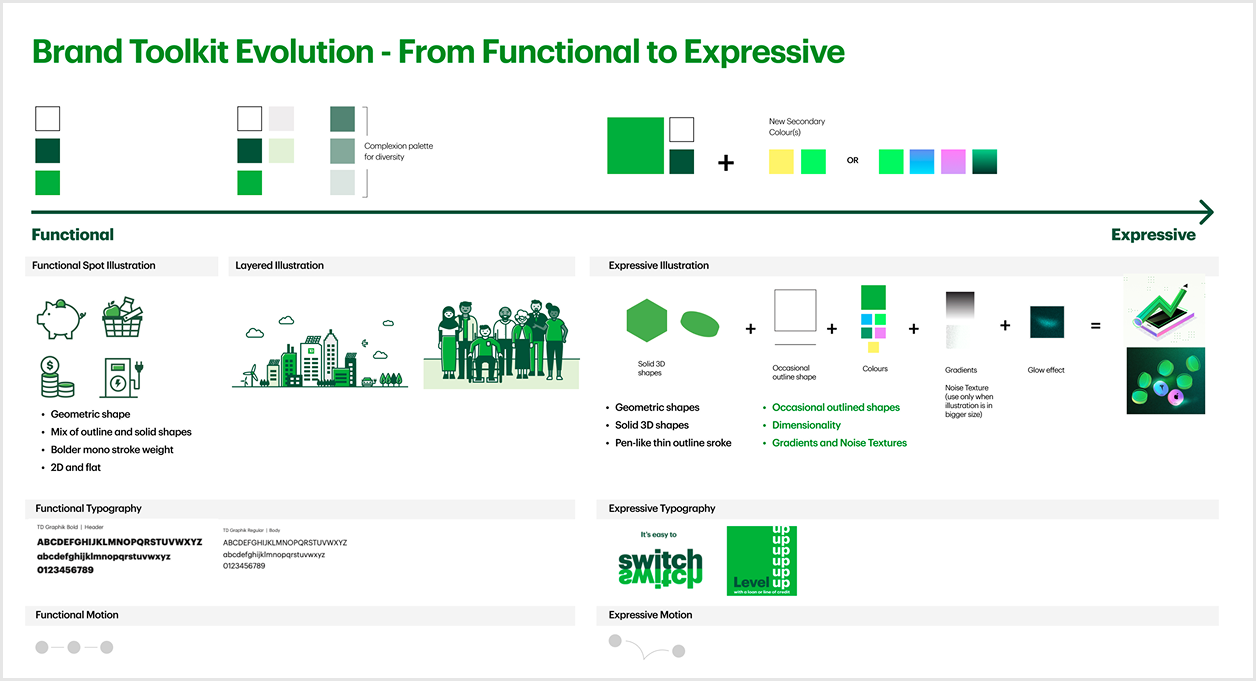
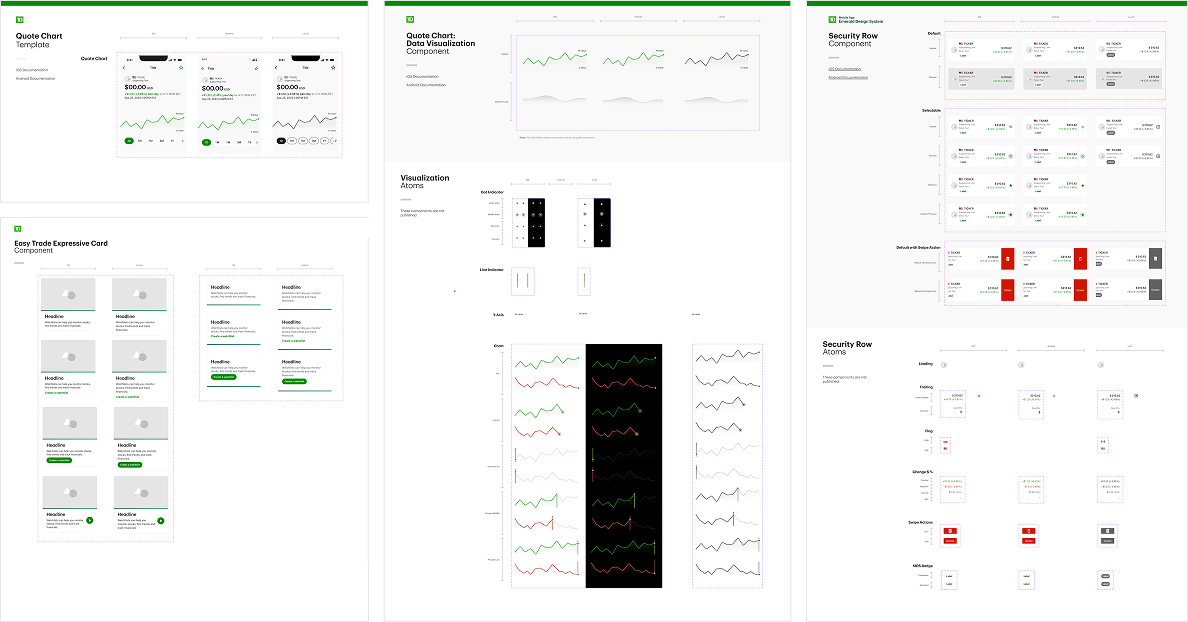
Our strategy for the TD Easy Trade redesign was to use the enterprise MOD Design System as our foundation to ensure brand consistency and accelerated time-to-market. This approach allowed us to inherit established accessibility and security standards immediately. By maintaining frequent syncs with the TD Easy Trade Design System team, we ensured that these specialized, simplified components were properly documented and integrated, allowing the product to scale effectively while preserving its unique focus on user support.
DESIGN EXECUTION HIGHLIGHTS
The final execution focused on delivering an inviting user experience while managing the complex technical reality of an enterprise platform, specifically ensuring a seamless transition from web to native mobile interactions and strict accessibility compliance.
1. Seamless Mobile & Hybrid Flow Design
We prioritized a native mobile-first experience for key interactions (e.g., portfolio). For required complex functions (like regulatory pages), we designed responsive web pages styled to visually match the native app. This created a seamless hybrid flow, ensuring users never perceived a break in the app environment.
2. Simplified, Guided Trade Execution
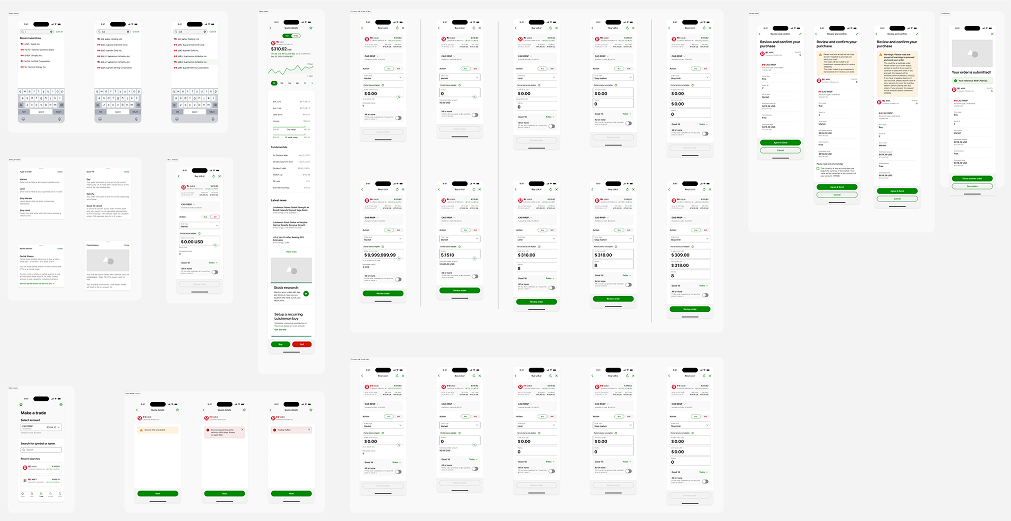
The core flow was redesigned to boost the First-Trade Conversion Rate. We replaced complex forms with a Guided Order Entry Module (a sequential, modal flow) to eliminate decision paralysis. In-Flow Contextual Education (tooltips) acted as the app's 'coach,' providing just-in-time definitions for financial jargon, directly solving the Transaction Anxiety problem.
3. Accessibility & Compliance
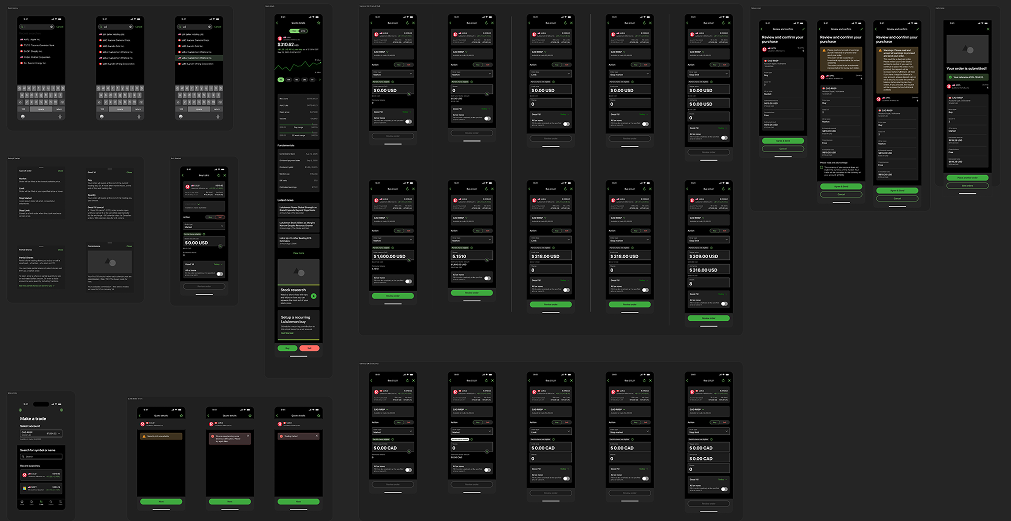
Accessibility was foundational. All designs strictly adhered to WCAG 2.1 AA standards, with specific focus on high color contrast and appropriate touch target sizes. Designs were meticulously annotated for screen reader optimization, ensuring the app was usable by all clients and built trust.
4. Final Outputs: Hi-Fi Screens and Prototypes
The final deliverables included full sample (hi-fi) screens and interactive prototypes covering every MVP flow. These outputs served as the single source of truth for development, enabling realistic final-stage usability testing and providing pixel-perfect specifications for the dev hand-off.
FUTURE VISION
The launched MVP represents a critical first step in capturing the Next Gen Investor segment, but the strategy includes a robust plan for continuous iteration and maximizing long-term value. Our future vision focuses on using data from the initial launch to inform and prioritize the second iteration (V2) of the product.
1. Data-Driven Monitoring & KPIs
Post-launch success relies on rigorous monitoring and close collaboration with the Product and Analytics teams to ensure long-term stability. The primary goal is to establish a comprehensive monitoring plan for V2 that specifically tracks user behavior related to funnel drop-off and feature adoption. Under this framework, proposed KPIs will shift focus from initial conversion to sustained engagement, prioritizing metrics such as onboarding completion rates, time-to-first trade, and various trust indicators to measure overall product health.
2. Simplified, Guided Trade Execution
Future development will address the critical need for user empowerment and a personalized definition of financial health. By focusing on features that educate users on financial concepts, we aim to empower them to make informed decisions independently. Furthermore, development will center on deepening engagement by helping users redefine financial health on their own terms, ultimately building long-term loyalty that extends far beyond the initial trade.